
The gaming industry has traditionally been dominated by Windows and consoles, but the landscape is steadily evolving. In recent years, Linux gaming has experienced remarkable growth, attracting both casual players and competitive esports enthusiasts. Improved compatibility tools, open-source innovation, and performance optimization have transformed Linux into a viable gaming platform. Developers and publishers are increasingly paying attention to this shift. As a result, Linux is no longer a niche choice but a serious contender in modern gaming ecosystems.
The Rise of Compatibility Layers and Proton Technology

One of the primary reasons behind Linux’s growing popularity in gaming is the development of compatibility layers like Proton. Created by Valve, Proton allows many Windows-based games to run smoothly on Linux systems through Steam. This innovation significantly reduced the barrier for gamers who previously relied solely on Windows.
The introduction of the Steam Deck further accelerated interest in Linux gaming. Since the device runs on a Linux-based operating system, it showcased how stable and optimized Linux can be for modern AAA titles. Performance benchmarks increasingly show that many games run comparably to Windows, especially when optimized drivers are used.
Moreover, the open-source community continuously contributes improvements, ensuring faster bug fixes and system updates. This collaborative development model often results in quicker adaptation to new hardware technologies. For gamers seeking flexibility and control over their systems, Linux offers a customizable and efficient alternative.
Open-Source Flexibility and Performance Optimization
Linux distributions provide unmatched customization options. Gamers can fine-tune system performance, manage background processes, and optimize resource allocation more efficiently than on many other platforms. This flexibility appeals especially to tech-savvy users and competitive players who demand maximum frame rates and minimal latency.
Another factor driving adoption is improved GPU driver support from companies like NVIDIA and AMD. Modern drivers now provide stable performance for demanding video games, including competitive esports titles. As esports ecosystems grow, Linux users increasingly participate in tournaments and online competitions without significant technical disadvantages.
Competitive gaming communities also analyze team performance metrics and rankings across platforms. For example, many esports enthusiasts who follow professional Counter-Strike scenes often explore detailed statistics such as cs2 ranks for every pro team to evaluate competitive performance, compare strategies, and better understand the evolving meta within Linux-supported esports environments.
As performance gaps continue to narrow, Linux becomes an attractive platform not only for casual players but also for serious competitors.
Developer Support and Expanding Game Libraries
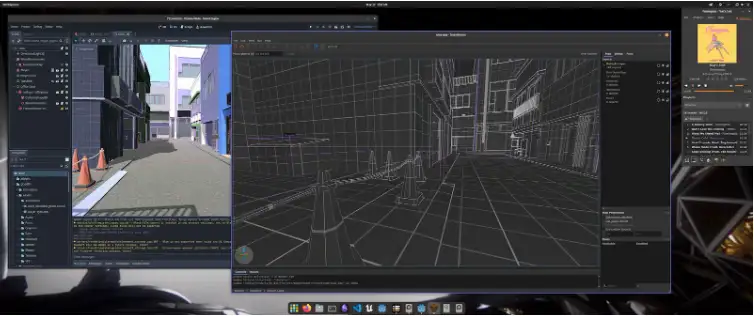
Game developers are increasingly recognizing Linux as a viable target platform. Many modern game engines, such as Unity and Unreal Engine, offer native Linux support. This makes cross-platform development more accessible and reduces production complexity.
Indie developers, in particular, are drawn to Linux because of its open-source philosophy and lower distribution barriers. As a result, a growing number of indie titles launch simultaneously on Windows and Linux. This parallel release strategy expands the available game library and boosts user confidence in the platform.
Additionally, digital distribution platforms like Steam make it easy for users to filter and discover Linux-compatible games. The continuous expansion of supported titles strengthens Linux’s position in the gaming market. Players no longer feel restricted to a limited catalog; instead, they enjoy access to thousands of games across multiple genres.
Security, Stability, and Community-Driven Growth
Security is another significant advantage of Linux systems. Due to their architecture and user permission model, Linux distributions are generally less vulnerable to malware and intrusive background software. For gamers, this translates into a cleaner and potentially more stable environment.
System stability also plays a crucial role. Linux systems often run efficiently for extended periods without performance degradation. Updates are typically less disruptive, allowing users to maintain control over when and how changes are applied.
Perhaps most importantly, the Linux gaming ecosystem thrives on community engagement. Forums, open-source repositories, and collaborative troubleshooting platforms help users resolve issues quickly. This strong support network creates a sense of shared progress and innovation.
As cloud gaming, cross-platform multiplayer, and esports continue to expand, Linux stands ready to integrate seamlessly into these global trends. Its adaptability ensures it remains competitive in an industry defined by rapid technological advancement.
Conclusion
Linux is no longer an experimental or secondary gaming platform. Thanks to compatibility tools like Proton, improved GPU driver support, expanding game libraries, and active community development, Linux has become a realistic and increasingly popular choice for gamers worldwide.
The combination of performance optimization, security, flexibility, and growing esports participation positions Linux as a powerful alternative to traditional gaming systems. As developers continue to embrace cross-platform solutions and gamers seek more control over their environments, Linux’s role in the gaming industry is likely to expand even further.
In the coming years, Linux may not only compete with established platforms but also redefine how players experience modern video games. For more information, click here.